

Opinion: The Future-Proof, Cost-Effective Method for Drug Approval and Market Access
The Future-Proof, Cost-Effective Method for Drug Approval and Market Access
Real-World Evidence — an Arcondis white paper by Ting-Yi Lin, Service Owner, Medical Product Excellence at Arcondis Group
The healthcare landscape is continuously evolving, and with it, the methodologies used to assess and ensure the safety and efficacy of treatments. One such methodology that has gained prominence is Real-World Evidence (RWE). Unlike the traditional reliance on Randomised Clinical Trials (RCTs), RWE offers a pragmatic approach to understanding how drugs perform in everyday settings.
RWE – A New Gold Standard for Data Generation?
Real-World Evidence refers to clinical evidence regarding the usage and potential benefits or risks of a medical product derived from analysis of Real-World Data (RWD). RWD is data collected from sources such as electronic health records (EHRs), patient registries, and insurance claims databases.1
Traditional Reliance on Randomised Clinical Trials
The pharmaceutical industry primarily depended on RCTs for drug approval and monitoring. sRCTs have long been the gold standard in clinical research due to their rigorous design aimed at minimising bias. However, their high costs, lengthy timelines, and limited generalisability due to controlled environments and narrow participant criteria have prompted the need for complementary methods like RWE.3
Over the past decade, advancements in data collection technologies and analytical methods have started to position RWE as an exciting alternative for data generation for drug development and market access strategies.4,5

Download this Article as a PDF
Benefits of RWE Compared to RCTs
RWE and RCTs each offer unique strengths in evaluating medical treatments, contributing to a comprehensive understanding of therapeutic effectiveness and safety. Their roles are complementary, providing a robust evidence base for healthcare decision-making and policy development.
Enhanced Understanding and Long-Term Monitoring
RWE provides a broader understanding of drug effectiveness and safety across diverse patient populations, capturing real-world impacts that are often missed in the controlled environments of RCTs. It enables the monitoring of treatments over extended periods, which is essential for assessing long-term safety and effectiveness. This long-term data is particularly valuable for chronic conditions and understanding the sustained effects of treatments.6,7

Over the past decade, advancements in data collection technologies and analytical methods have started to position RWE as an exciting alternative for data generation for drug development and market access strategies.
Inclusivity and Diversity in Patient Populations
RWE includes data from a wide range of patients, including those typically excluded from RCTs such as the elderly, pregnant women, children, and individuals with comorbidities. This inclusivity addresses the limitations of RCTs’ strict inclusion/exclusion criteria, providing a more accurate reflection of treatment performance in the general population. RWE ensures underrepresented groups are considered in evaluating treatment effectiveness and safety, enhancing the generalisability of findings. Additionally, RWE has the unique ability to capture off-label drug use, which is often prescribed in real-world clinical practice but not formally tested in RCTs. While off-label use is often based on anecdotal clinical reports, RWE provides a more systematic and rigorous framework to evaluate its safety and efficacy. This approach allows for the ethical evaluation of treatments outside their originally approved indications, offering insights that are critical for informing clinical guidelines and regulatory decisions, rather than relying solely on fragmented or anecdotal evidence.6,7
Practicality, Efficiency, and Real-Time Data
RWE studies are generally more cost-effective and faster to conduct than RCTs, as they utilise existing data sources and require less rigid infrastructure. The continuous collection and analysis of RWD allow for real-time insights, facilitating quicker decision-making processes in clinical and regulatory settings. This efficiency can significantly accelerate the availability of new insights into treatment effectiveness and safety.8
Personalised Medicine and New Indications
By analysing RWD, healthcare providers can tailor treatments to specific subgroups, facilitating personalised medicine approaches. This enables more precise tailoring of treatments to individual patient needs, enhancing therapeutic outcomes. Additionally, RWE can identify new drug indications and provide data on the effectiveness of treatments for rare or orphan diseases, where conducting large-scale RCTs may not be feasible.8,9
Value-Based Pricing and Reimbursement
RWE provides tangible evidence of a drug’s real-world effectiveness, supporting value-based pricing models that align drug costs with actual patient outcomes. This data is critical for payers during reimbursement negotiations, as it demonstrates cost-effectiveness and patient outcomes in real-world settings. Institutions like the Institute for Clinical and Economic Review (ICER) utilise Health Economics and Outcomes Research (HEOR) to evaluate the cost-effectiveness of treatments, and RWE bolsters these evaluations by providing comprehensive data on patient outcomes and healthcare resource utilisation.8,9

By analysing RWD, healthcare providers can tailor treatments to specific subgroups, facilitating personalised medicine approaches.
Regulatory and Payer Acceptance
Regulatory bodies and payers are increasingly recognising the value of RWE as a valuable complement to traditional clinical trial data. This shift reflects the growing recognition of the need for more inclusive and practical approaches to drug evaluation. The EMA’s (European Medicines Agency) framework from 2023, FDA’s comprehensive guidelines, and ICER’s proactive approach to integrating RWE into healthcare decision-making underscore the importance of this data in modern drug development and market access strategies. By leveraging RWE, stakeholders can enhance drug approval processes, improve patient outcomes, and achieve more favorable reimbursement terms.
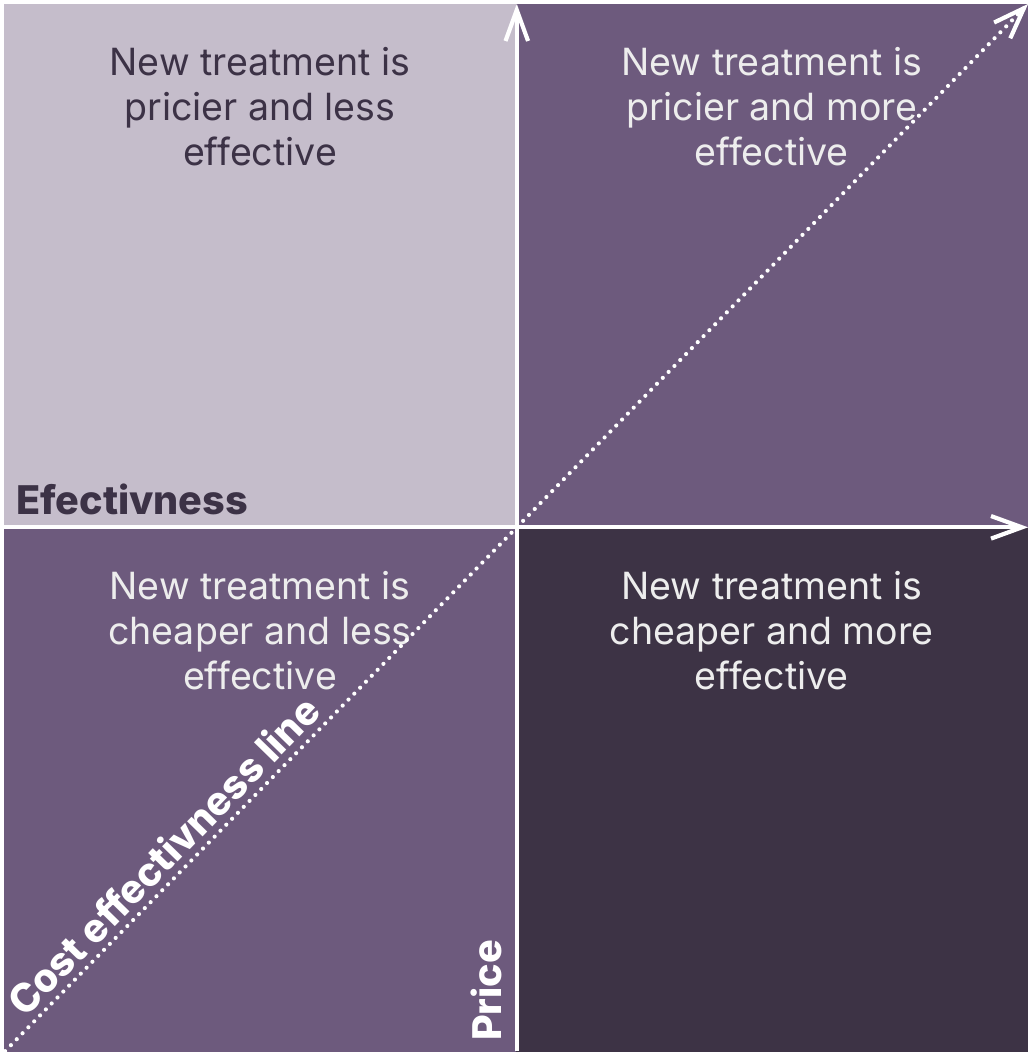
Figure 1: Cost-effectiveness plane.
Reimbursement Principals
Cost Effectiveness
Cost-effectiveness is a critical factor in determining whether a medicine will be reimbursed by healthcare systems. To qualify for reimbursement, a medicine must generally demonstrate that it falls within an acceptable cost-effectiveness threshold, as depicted in Figure 1. This figure illustrates the cost-effectiveness plane, where medicines are evaluated based on their costs relative to their effectiveness compared to existing alternatives.10
Typically, newly approved medicines, especially innovative therapies, tend to be more costly but also potentially more effective than existing treatments. However, demonstrating cost-effectiveness can be particularly challenging in certain therapeutic areas, such as rare or ultra-rare diseases, where limited patient populations and high treatment costs complicate traditional cost-effectiveness analyses.
RWE plays a crucial role in bridging gaps in pharmaceutical value assessments. Unlike controlled clinical trials, RWE provides insights into how treatments perform in broader, more diverse populations under real-world conditions. This can be particularly valuable in demonstrating the cost-effectiveness of treatments in indications where traditional trials may not provide comprehensive data. RWE can help justify higher costs by providing evidence of real-world benefits, such as improved quality of life, reduced hospitalisations, and long-term health outcomes that may not be fully captured in RCTs.
EMA Guidance on the Use of RWD and RWE
The European Medicines Agency (EMA) has been actively working to integrate RWE into regulatory decision-making processes. This effort aims to complement traditional clinical trial data and enhance the overall evaluation of medicinal products. In 2023, the EMA published a framework outlining the progress made in integrating RWE into regulatory decisions, highlighting key findings, and offering recommendations for future improvements. It provides a comprehensive review of the experience gained from regulator-led studies using RWD from September 2021 to February 2023.13
Table 1: Key Recommendations from the EMA’s 2023 Real-world evidence framework to support EU regulatory decision-making.13
Transparency and Data Collection
Transparency: The EMA emphasises the need for transparency in the design, conduct, and analysis of studies using RWD. This includes clear documentation of data sources, collection methods, and analytical approaches to ensure the reliability and validity of the evidence generated. Data Quality: High-quality data is crucial. The EMA recommends rigorous data cleaning and validation processes to enhance the reliability of RWD used in studies.
Regulatory Considerations
Pre-Authorisation and Post-Approval: The EMA supports the use of RWE in both pre-authorisation and post-approval assessments. This includes using RWE to support marketing authorisation applications and extensions of indications. Broader Patient Populations: RWE provides valuable insights into the safety and effectiveness of medicines in broader patient populations, which may not be fully represented in traditional clinical trials.
Data Privacy and Security
Privacy: Ensuring data privacy and security is a top priority. The EMA recommends involving data privacy experts to safeguard patient information and maintain compliance with relevant regulations. Public Trust: Maintaining public trust is essential for the successful integration of RWE into regulatory decision-making.
Study Monitoring and Reporting
Monitoring: Robust monitoring and reporting processes are necessary to maintain data integrity in studies using RWD. This includes careful monitoring of data collection and management of protocol deviations. Reporting: Transparent reporting of study design and analysis methods is essential for ensuring the credibility and reproducibility of RWE findings.
Impact on Regulatory and Market Access
Inclusive Evaluation Methods: The EMA’s acceptance of RWE highlights a shift towards more inclusive drug evaluation methods. By integrating RWD, pharmaceutical companies can provide more comprehensive evidence of a drug’s effectiveness across diverse patient populations. Value-Based Pricing: RWE facilitates value-based pricing and improves market access through informed reimbursement negotiations by providing comprehensive evidence of a drug’s real-world effectiveness.
FDA Guidance on the Use of RWD and RWE
The FDA has provided comprehensive guidelines to support the use of RWD and RWE in regulatory decision-making for drugs and biological products. These guidelines are pivotal for understanding how RWE can enhance drug development and market access strategies by complementing traditional clinical trial data.14
Guidelines are pivotal for understanding how RWE can enhance drug development and market access strategies.
Key Highlights from the FDA Guidance: Non-Interventional Studies14
Transparency and Data Collection
The FDA stresses transparency in the design, conduct, and analysis of non-interventional studies using Real-World Data (RWD). Early engagement with the FDA is crucial to ensure that methodologies are scientifically sound and meet regulatory requirements. Clear documentation of data sources, collection methods, and analytical approaches is essential to support the reliability of the evidence.
RWD Use in Non-Interventional Studies
Non-interventional studies, including observational cohort and case-control studies, must accurately reflect routine clinical practice without influence from the study protocol. This ensures that the evidence generated is representative of real-world care.
Regulatory Considerations
Non-interventional studies using RWD are generally not considered clinical investigations under the US Code of Federal Regulations Title 21, Part 312, and thus do not require an Investigational New Drug (IND) application.
Data Privacy and Security
Ensuring data privacy and security is vital in non-interventional RWD studies. The FDA recommends involving data privacy experts to safeguard patient information and maintain compliance with relevant regulations.
Study Monitoring and Reporting
Robust monitoring and reporting processes are necessary to maintain data integrity in non-interventional studies. The FDA suggests that careful monitoring of data collection and management of protocol deviations is essential to uphold the study’s reliability.
Key Highlights from the FDA Guidance: Interventional Studies14
RWD Use in Interventional Studies
The FDA recognises the valuable role of RWD in interventional studies, particularly for identifying potential participants, selecting study endpoints, and serving as comparator arms in externally controlled trials. Incorporating RWD can enhance the generalizability of clinical trials, making them more applicable to a broader patient population.
Regulatory Considerations
Interventional studies involving drugs typically meet the definition of a clinical investigation under the US Code of Federal Regulations Title 21, Part 312, and are subject to FDA regulations. Such studies generally require an IND application to ensure compliance with regulatory standards for safety and efficacy.
Impact on Regulatory and Market Access
The FDA’s acceptance of RWE from interventional studies highlights a shift toward more inclusive drug evaluation methods. By integrating RWD, pharmaceutical companies can provide more comprehensive evidence of a drug’s effectiveness across diverse patient populations, facilitating value-based pricing and improving market access through informed reimbursement negotiations.
ICER’S Approach to RWE
The Institute for Clinical and Economic Review (ICER) has been pioneering the integration of RWE into healthcare decision-making processes. As part of this initiative, ICER conducted a pilot project focused on a 24-month observational reassessment using RWE. This pilot highlighted key insights into the application of RWE in reassessments, such as recognising both the opportunities and challenges associated with this approach and understanding how to prioritize and select topics most suited for RWE updates. ICER acknowledges the potential of RWE to complement traditional RCT data, particularly for evaluating long-term outcomes and the real-world effectiveness of therapies. Key insights from ICER Pilot project are summarized in Table 2.15
Table 2: Key insights from ICER Pilot.15
Benefits Of RWE In Cost-Effectiveness Models
RWE enhances cost-effectiveness models by providing data on long-term outcomes, adherence, and real-world safety, leading to more accurate and nuanced assessments of a therapy’s value.
Application In Health Technology Assessment (HTA)
RWE is crucial for post-launch reassessments of therapies, helping to address ongoing uncertainties and allowing for dynamic updates to HTAs based on real-world performance.
Methodological Rigor
High-quality data and rigorous analytical methods are essential for reliable RWE. Clear protocols are needed to minimize bias and ensure the robustness of data used in healthcare decisions.
Stakeholder Engagement
Effective RWE involves engaging diverse stakeholders, including patients, clinicians, payers, and manufacturers, to ensure the relevance and impact of the evidence generated.
Potential Challenges and Solutions in Leveraging RWE for Market Access
Despite its benefits, leveraging RWE comes with its own set of challenges and requires careful consideration to maximize its utility. These challenges were highlighted by both FDA and ICER. Ongoing advancements in data analytics and regulatory frameworks are addressing these issues, enhancing the reliability and utility of RWE.8,14–16
Data Quality and Consistency
One of the primary challenges in utilizing RWE is ensuring the quality and consistency of data. RWD is often heterogeneous, sourced from electronic health records, insurance claims, and patient registries, which can introduce variability in data quality, completeness, and accuracy. This diversity makes it difficult to draw reliable conclusions, and without strict evaluation of data sources and comprehensive documentation, the potential for errors and misinterpretation is substantial.
To address these challenges, it is crucial to implement a robust data quality assurance process. This involves not only standardised data collection protocols but also rigorous data cleaning procedures and validation processes to enhance the reliability of the data used in RWE studies. Furthermore, traceability must be ensured through thorough documentation and source evaluation, ideally conducted by medical professionals. This level of scrutiny is essential to prevent errors and ensure that the RWD being utilised is both accurate and capable of supporting meaningful, evidence-based conclusions.8,14–16

Methodological Challenges
Designing robust RWE studies requires sophisticated statistical methods to account for biases and confounding factors inherent in observational data. Techniques such as propensity score matching, instrumental variable analysis, and advanced regression models are crucial for mitigating these biases. The availability of a larger volume of RWD allows these models to be deployed on a larger scale.
The greater the volume and diversity of RWD, the better the opportunity to adjust for confounding variables and reduce bias. Additionally, transparent reporting of study design and analysis methods is essential for ensuring the credibility and reproducibility of RWE findings, making them more reliable in clinical and regulatory settings.8,14–16
Integration with Health Technology Assessment (HTA)
HTA bodies often face challenges in integrating RWE into their assessment frameworks due to differing standards and methodologies across jurisdictions. To address this, developing harmonised guidelines and frameworks for RWE generation and assessment can facilitate its acceptance and use in HTA processes. This includes defining clear criteria for the inclusion and evaluation of RWE in regulatory submissions and reimbursement decisions.8,14–16
Regulatory and Payer Acceptance
While regulatory agencies and payers are increasingly recognising the value of RWE, there is still variability in acceptance and application. Consistent and transparent regulatory guidelines are needed to outline how RWE can be used in decision-making processes. Engaging stakeholders, including regulators, payers, and healthcare providers, early in the study design phase can help align expectations and ensure that the generated evidence meets the requirements for market access and reimbursement.8,14–16
Ethical, Privacy & Cybersecurity Concerns
Utilising RWE involves handling sensitive patient data, raising concerns about privacy and ethical considerations. Ensuring robust data governance frameworks that comply with regulations such as GDPR and HIPAA is essential to protect patient privacy and maintain public trust. Implementing secure data storage, anonymisation techniques, and obtaining informed consent where applicable are critical components of ethical RWE generation and utilisation.8,14–16
Moreover, cybersecurity concerns are increasingly prominent, as evidenced by incidents such as the Change Healthcare cyberattack,17 which compromised healthcare data security and underscored the risks involved. To mitigate these risks, organisations should implement strong encryption, conduct regular security audits, enforce strict access controls, and maintain robust incident response plans. Balancing regulatory compliance with proactive cybersecurity measures is essential to protect patient data and the integrity of RWD studies.17
Long-term Sustainability and Utility
The continuous generation and integration of RWE require sustainable infrastructure and investment. Developing scalable and interoperable data systems that can handle large volumes of data and facilitate seamless data sharing among stakeholders is vital. Additionally, fostering collaborations between industry, academia, and healthcare systems can enhance the generation and use of RWE for market access.8,14–16
Case Study
Several pharmaceutical companies have leveraged RWE to support drug approvals and market access. A prominent and well documented example is Pfizer’s breast cancer drug, Ibrance® (palbociclib).

Ibrance’s Indication Expansion
Background
Pfizer’s breast cancer drug, Ibrance (palbociclib) was initially approved by the FDA on February 3, 2015, for use in postmenopausal women with hormone receptor-positive (HR+), HER2-negative metastatic breast cancer as part of an initial endocrine-based therapy in combination with letrozole. This was followed by approval on February 19, 2016, for use in combination with fulvestrant for women with HR+ HER2-negative MBC whose disease progressed after prior endocrine therapy. These approvals were based on the pivotal PALOMA-2 and PALOMA-3 trials, which were limited to female participants.19,20
Indication Expansion
The rarity of breast cancer in men, which constitutes less than 1% of all breast cancer cases19, poses challenges for conducting large-scale RCTs, which are the traditional gold standard for clinical evidence. To support this expansion, Pfizer leveraged real-world evidence (RWE) from multiple sources and on April 4, 2019, the FDA expanded the indication of palbociclib to include men with HR+ HER2-negative advanced or metastatic breast cancer.21
Role of Real-World Evidence
To support the indication expansion, Pfizer used RWE from several sources: Flatiron Health’s breast cancer database, IQVIA insurance claims data, and Pfizer’s global safety database. This RWE provided critical insights, including data on 61 male patients who were treated with palbociclib, showing outcomes consistent with those in female patients. The FDA accepted this RWE, which played a key role in the approval process, demonstrating that RWE can effectively complement clinical trial data, particularly in cases where RCTs are challenging.21
Lessons Learned
Pfizer’s use of RWE in expanding Ibrance’s indication to include men underscores the evolving role of real-world data in regulatory decision-making, especially in rare conditions where traditional RCTs are impractical. The case of palbociclib demonstrates how even a relatively small RWE sample — 61 male patients in this instance — can support the inclusion of underrepresented patient populations, providing valuable insights into treatment efficacy and safety when clinical trial data are limited.
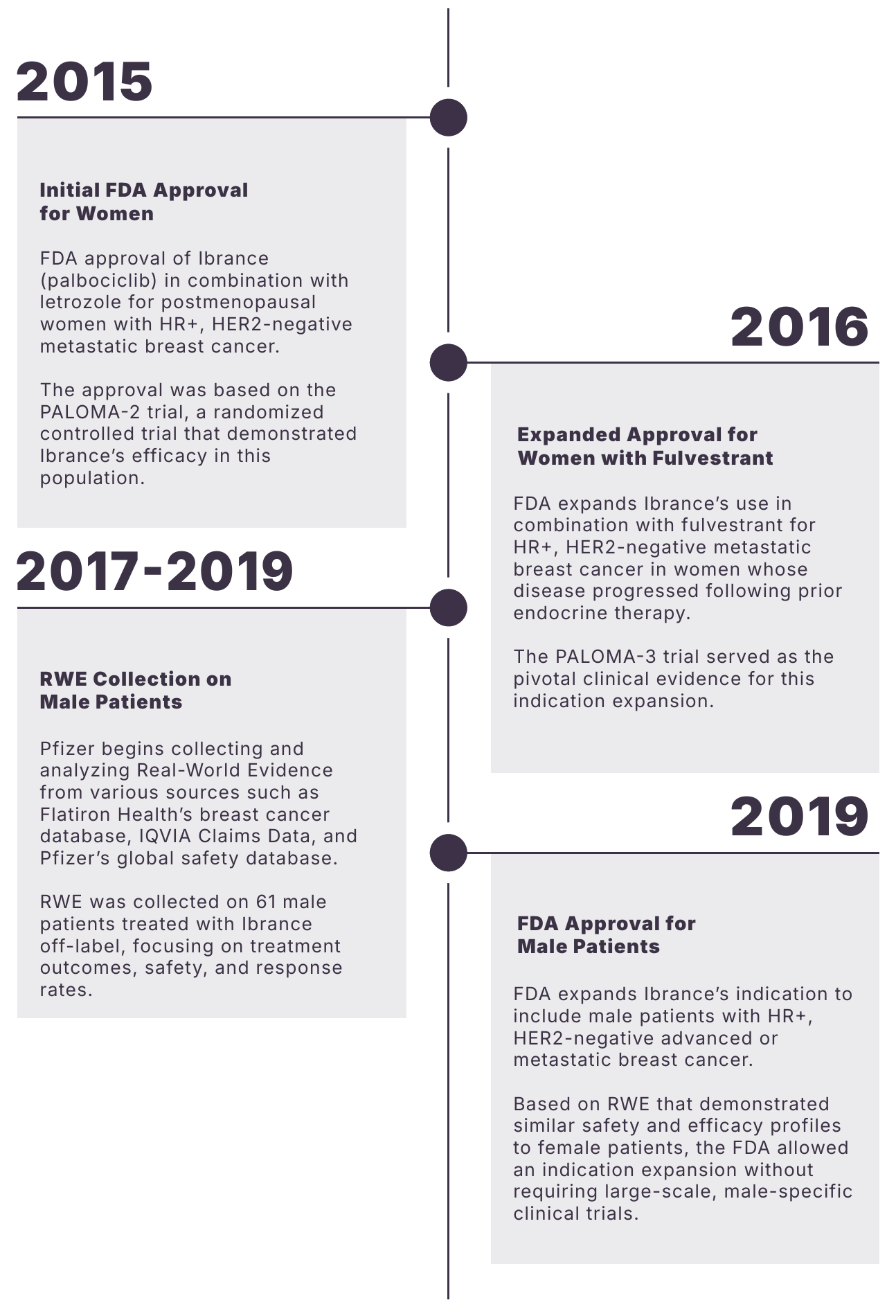
Figure 2: Ibrance’s Indication Expansion Timeline
Ibrance’s Indication Expansion Timeline
2015 – Initial FDA Approval for Women
FDA approval of Ibrance (palbociclib) in combination with letrozole for postmenopausal women with HR+, HER2-negative metastatic breast cancer.
The approval was based on the PALOMA-2 trial, a randomized controlled trial that demonstrated Ibrance’s efficacy in this population.
2016 – Expanded Approval for Women with Fulvestrant
FDA expands Ibrance’s use in combination with fulvestrant for HR+, HER2-negative metastatic breast cancer in women whose disease progressed following prior endocrine therapy.
The PALOMA-3 trial served as the pivotal clinical evidence for this indication expansion.
2017-2019 – RWE Collection on Male Patients
Pfizer begins collecting and analyzing Real-World Evidence from various sources such as Flatiron Health’s breast cancer database, IQVIA Claims Data, and Pfizer’s global safety database.
RWE was collected on 61 male patients treated with Ibrance off-label, focusing on treatment outcomes, safety, and response rates.
2019 – FDA Approval for Male Patients
FDA expands Ibrance’s indication to include male patients with HR+, HER2-negative advanced or metastatic breast cancer.
Based on RWE that demonstrated similar safety and efficacy profiles to female patients, the FDA allowed an indication expansion without requiring large-scale, male-specific clinical trials.
Future Trends and Innovations
Table 3: Future Trends in RWE
Emerging Technologies and Methodologies in Data Collection
The use of wearable devices, mobile health apps, and other digital health tools is rapidly advancing, allowing for real-time, continuous data collection that offers more precise and individualised patient insights. Technologies like remote patient monitoring and digital biomarkers are becoming key to collecting high-resolution data that can enhance the depth and accuracy of RWE.
AI-Driven Data Analysis and Insights
AI and machine learning are revolutionising how RWE data is processed and interpreted. Recently, Large Language Models (LLMs), such as chat GPT, have gained attention for their potential in healthcare. These models can enhance data quality assurance by double-checking traceability, assigning uncertainty probabilities, and processing unstructured data sources like doctor’s notes, reports, and emails, transforming them into valuable insights at scale. While LLMs expand the use of unstructured data, more traditional machine learning techniques remain critical for detecting patterns in structured data, such as clinical trials or patient records, enabling faster, more efficient insights from RWE. This combined approach significantly enhances the reliability and applicability of RWE in both clinical and regulatory contexts.
Data Curation and Data Architecture
Data curation and robust data architecture are essential for ensuring the quality and reliability of RWE. Unlike other big-data approaches that may tolerate a degree of noise or “garbage data,” RWE requires meticulous data cleaning and validation processes to ensure that the evidence generated is both accurate and actionable. Uncertainty about outcomes, risk factors, and treatment exposure must be traced, modeled, and quantified to generate credible evidence. Advanced data architectures are crucial for transforming raw RWD into actionable RWE, integrating data from various sources while preserving its traceability.
Advanced Data Integration and Interoperability
As the volume of health data grows, the ability to integrate and harmonise diverse data sources is critical. Innovative data architecture, including cloud-based platforms and blockchain technology, is being developed to improve data interoperability and security. These advancements are essential for creating comprehensive datasets that support robust and scalable RWE studies.
Patient-Centric Data
The integration of patient-reported outcomes (PROs) with advanced technologies is shaping a more patient-centered approach in RWE studies. Innovations such as digital platforms for capturing PROs, alongside the use of natural language processing to analyse patient feedback, are providing deeper insights into patient experiences and treatment effectiveness. This trend supports the movement towards personalised medicine and patient-driven healthcare solutions.
Conclusion
RWE is undeniably reshaping the pharmaceutical industry by offering actionable, comprehensive insights into drug effectiveness and safety in real-world conditions. Its ability to fill the gaps left by traditional clinical trials makes it indispensable, particularly in improving inclusivity by capturing diverse patient populations often excluded from randomised trials. Beyond inclusivity, RWE’s practicality in capturing real-time, ongoing patient data gives it a significant edge, helping to accelerate drug development and regulatory decisions.

The momentum behind RWE is clear: it is not merely an additional tool but a transformative force in drug development and market access. The regulatory shift toward embracing RWE — evidenced by approvals like Pfizer’s Ibrance for male breast cancer patients — proves that RWE is no longer optional but critical. As emerging technologies such as AI and wearable devices enhance the collection and analysis of RWE, the potential for even deeper integration into healthcare is immense.
Industry stakeholders have no choice but to embrace RWE if they want to remain competitive and drive innovation. Failing to invest in RWE not only risks missing out on market opportunities but also, more critically, limits the potential to improve patient outcomes on a broader scale. The future belongs to those who leverage RWE to its fullest potential, as it is the key to both innovation and sustained relevance in the evolving landscape of healthcare.
At Arcondis, we offer comprehensive and integrated evidence generation programs designed to support healthcare decision-making and enhance patient outcomes. Our services include Real-World Evidence, Health Economics and Outcomes Research, Phase IIIb/IV clinical trials, and implementation science studies. Contact me for more information.
RWE is undeniably reshaping the pharmaceutical industry by offering actionable, comprehensive insights into drug effectiveness and safety in real-world conditions.
About the Author


References
- Dang A. Real-World Evidence: A Primer. Pharm Med. 2023 Jan;37(1):25–36.
- Umscheid CA, Margolis DJ, Grossman CE. Key Concepts of Clinical Trials: A Narrative Review. Postgrad Med. 2011 Sep;123(5):194–204.
- Liu F, Panagiotakos D. Real-world data: a brief review of the methods, applications, challenges and opportunities. BMC Med Res Methodol. 2022 Nov 5;22(1):287.
- Dagenais S, Russo L, Madsen A, Webster J, Becnel L. Use of Real‐World Evidence to Drive Drug Development Strategy and Inform Clinical Trial Design. Clin Pharmacol Ther. 2022 Jan;111(1):77–89.
- Pulini AA, Caetano GM, Clautiaux H, Vergeron L, Pitts PJ, Katz G. Impact of Real-World Data on Market Authorization, Reimbursement Decision & Price Negotiation. Ther Innov Regul Sci. 2021 Jan 1;55(1):228–38.
- Makady A, van Veelen A, Jonsson P, Moseley O, D’Andon A, Boer A, et al. Using Real-World Data in Health Technology Assessment (HTA) Practice: A Comparative Study of Five HTA Agencies. PharmacoEconomics. 2018 Mar 1;36:359–68.
- Sherman RE, Anderson SA, Pan GJD, Gray GW, Gross T, Hunter NL, et al. Real-World Evidence — What Is It and What Can It Tell Us? N Engl J Med. 2016 Dec 8;375(23):2293–7.
- Cave A, Kurz X, Arlett P. Real‐World Data for Regulatory Decision Making: Challenges and Possible Solutions for Europe. Clin Pharmacol Ther. 2019 Jul;106(1):36–9.
- Garattini L, Padula A. Competition in pharmaceuticals: more product- than price-oriented? Eur J Health Econ. 2018 Jan 1;19(1):1–4.
- Briggs A, Tambour M. The Design and Analysis of Stochastic Cost-Effectiveness Studies for the Evaluation of Health Care Interventions. Ther Innov Regul Sci. 1998 May 27;35.
- Vogler S, Haasis M, Dedet G, Lam J, Pedersen H. Medicines Reimbursement Policies in Europe. 2018.
- Briggs, Andrew & Tambour, Magnus. (1998). The Design and Analysis of Stochastic Cost-Effectiveness Studies for the Evaluation of Health Care Interventions. Therapeutic Innovation and Regulatory Science. 35. 10.1177/009286150103500441.
- European Medicines Agency. Real-World Evidence Framework to Support EU Regulatory Decision-Making: Report on Experience Gained from Regulator-Led Studies (September 2021 – February 2023) [Internet]. 2023 [cited 2024 Sep 26]. Available from: https://www.ema.europa.eu/en/documents/report/real-world-evidence-framework-support-eu-regulatory-decision-making-report-experience-gained-regulator-led-studies-september-2021-february-2023_en.pdf
- U.S. Food & Drug Administration. Framework for FDA’s Real-World Evidence Program [Internet]. 2018. Available from: https://www.fda.gov/media/120060/download?attachment
- Jaksa A, Bloudek L, Carlson JJ, Shah K, Chen Y, Patrick AR, et al. Key learnings from Institute for Clinical and Economic Review’s real-world evidence reassessment pilot. Int J Technol Assess Health Care. 2022 Mar 14;38(1):e32.
- Zisis K, Pavi E, Geitona M, Athanasakis K. Real-world data: a comprehensive literature review on the barriers, challenges, and opportunities associated with their inclusion in the health technology assessment process. J Pharm Pharm Sci. 2024;27:12302.
- Alder S. Change Healthcare Reports Ransomware Data Breach to HHS [Internet]. The HIPAA Journal. 2024 [cited 2024 Aug 30]. Available from: https://www.hipaajournal.com/change-healthcare-responding-to-cyberattack/
- Finn RS, Martin M, Rugo HS, Jones S, Im SA, Gelmon K, et al. Palbociclib and Letrozole in Advanced Breast Cancer. N Engl J Med. 2016 Nov 17;375(20):1925–36.
- Turner NC, Slamon DJ, Ro J, Bondarenko I, Im SA, Masuda N, et al. Overall Survival with Palbociclib and Fulvestrant in Advanced Breast Cancer. N Engl J Med. 2018 Nov 15;379(20):1926–36.
- Konduri S, Singh M, Bobustuc G, Rovin R, Kassam A. Epidemiology of male breast cancer. Breast Off J Eur Soc Mastology. 2020 Aug 22;54:8–14.
- Wedam S, Fashoyin-Aje L, Bloomquist E, Tang S, Sridhara R, Goldberg KB, et al. FDA Approval Summary: Palbociclib for Male Patients with Metastatic Breast Cancer. Clin Cancer Res Off J Am Assoc Cancer Res. 2020 Mar 15;26(6):1208–12.
- Liu F, Panagiotakos D. Real-world data: a brief review of the methods, applications, challenges and opportunities. BMC Med Res Methodol. 2022 Nov 5;22:287.
- Lee WC. Seeing the whole elephant: integrated advanced data analytics in support of RWE for the development and use of innovative pharmaceuticals. Expert Rev Pharmacoecon Outcomes Res. 2024 Jan 2;24(1):57–62.
- Milone V, Fusco A, De Feo A, Tatullo M. Clinical Impact of “Real World Data” and Blockchain on Public Health: A Scoping Review. Int J Environ Res Public Health. 2024 Jan 15;21(1):95.
- Maruszczyk K, McMullan C, Aiyegbusi OL, Keeley T, Wilson R, Collis P, et al. Paving the way for patient centricity in real-world evidence (RWE): Qualitative interviews to identify considerations for wider implementation of patient-reported outcomes in RWE generation. Heliyon. 2023 Sep;9(9):e20157.
- Oehrlein EM, Schoch S, Burcu M, McBeth JF, Bright J, Pashos CL, et al. Developing Patient-Centered Real-World Evidence: Emerging Methods Recommendations From a Consensus Process. Value Health J Int Soc Pharmacoeconomics Outcomes Res. 2023 Jan;26(1):28–38.